


The earliest beginnings
Let’s start in Roman times.
Salzburg was then called Juvavum and the area where the Blue Goose is now located was a busy craftsmen’s district.
Things are correspondingly turbulent underground: when excavating a cellar we found lots of coins and tools.
Terracotta shards from Calabria (!) show that Salzburg was already on a trade route to the south.

A house becomes part of the city
There was a house here as early as the 14th century.
The Aufners – respected merchants, mining entrepreneurs and mayors – were among the most important civic families in Salzburg.
The history of the Blaue Gans begins around 1350 not as a hotel history, but as the history of a town house in the middle of the city’s economic life.
You can find out more about the Aufner family here

Two chickens a year.
In 1432, Martin Aufner donated the house to the Salzburg Citizens’ Hospital as a hostel.
Taxes later had to be paid for its use – including two hens every year.
The history of the house is linked to hospitality, social responsibility and the city community at an astonishingly early stage.
You can find out more about the Aufner family here

There is salvation in the south
The Aufners’ trading trips took them to Venice, where they sold the silver from the Salzburg mountains.
The journey over Tauern and Katschberg, over passes and through imponderables, took eight days.
They came back not only with many impressions, but also with goods: citrus fruits, spices, wine, olive oil.
They shaped the city’s cuisine – and this house.
This openness continues to have an impact today.
The motto of our cuisine: outside the box and over the Tauern to Venice and back.
You can find out more about the Aufner family here

Wine has been poured here for 500 years.
Members of a brewing family, Niklas and Sigmund Hueber, came to the house in 1516.
It is likely that beer was served here as early as the first half of the 16th century.
The inn was clearly documented for the first time in 1569.

Why is the goose blue?
The term “bey der blau Gannß” appeared in writing for the first time around 1600.
We don’t know for sure where the name actually comes from.
A later story even claims that the original animal was an iridescent blue pheasant, which the people of Salzburg quickly – perhaps mockingly – adopted.
– made a goose.
In any case, the name has persisted throughout the centuries until today.
You can find out more about the house name here

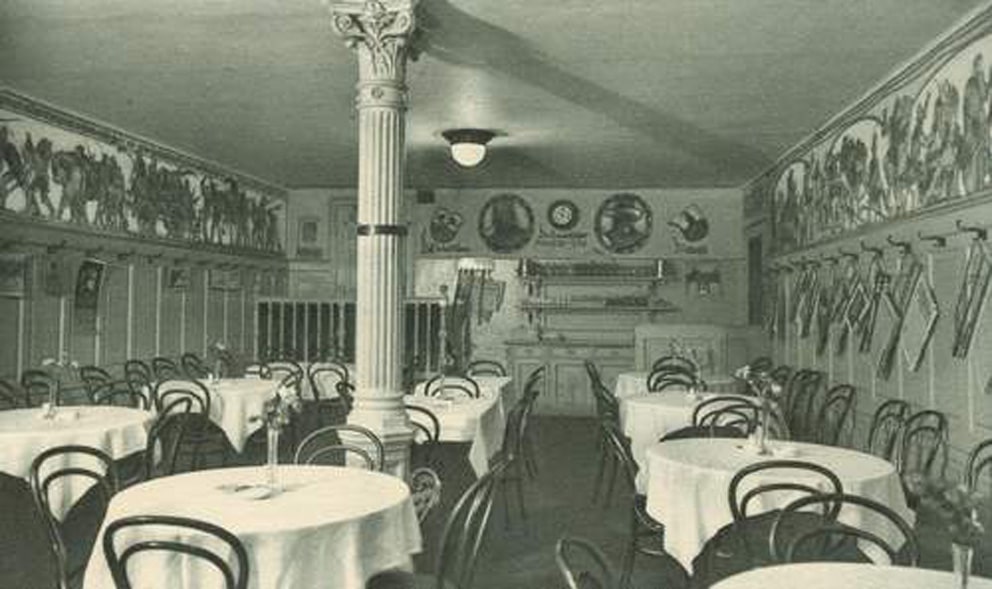
Before there were theaters, the theater played in the inn.
In the 17th century, an inn was the social network of its time.
The festival hall was still a stable back then, cafés, clubs and social media had not yet been invented, so inns were the places where people found entertainment.
Comedians, traveling troupes and puppeteers are said to have even performed in the Blue Goose.

Friends of Mozart
In the 18th century, the goose was in the middle of a surprisingly small world of court musicians, students, innkeepers and merchants.
Musicians from the prince-archbishop’s court lived in the area around the house;
Even people from the Mozart family’s circle of friends appear in the house chronicle.
A resident of the neighboring house, Johann Paul Huetterer, even appears affectionately as “Huatara” in a Mozart letter, and the house at Herbert-von-Karajan Platz 4 (“das Däublhaus”) is named after Franz de Paula Däubl, whom Mozart mentioned in 18 letters.
You can find more about Mozart in the Blue Goose here

The modern city is emerging on the doorstep
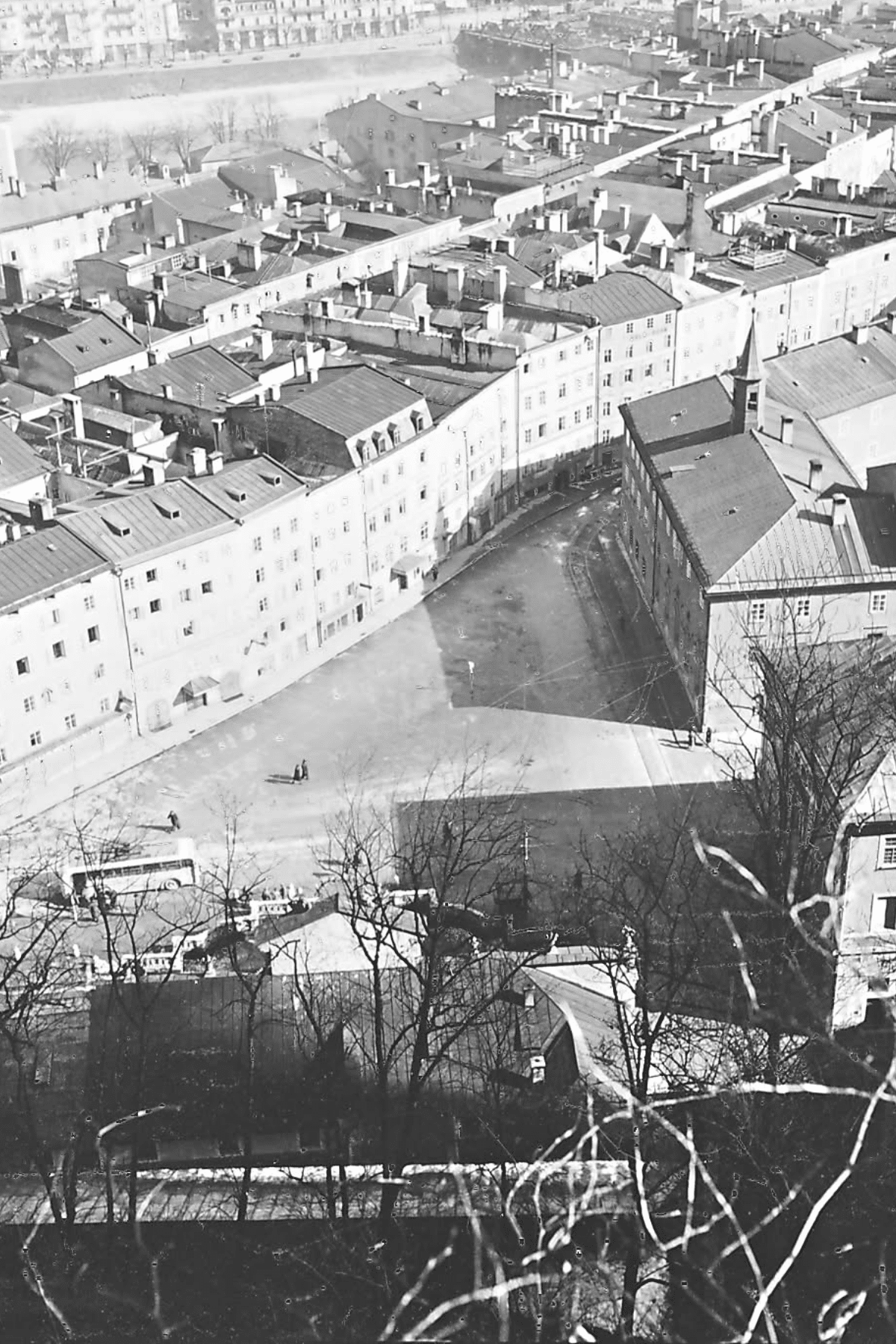
With the construction of the new gate in 1764–1767, the area took on a completely new meaning.
Workers and miners fought their way through the Mönchsberg day and night.
The quarry opposite was abandoned and the town was expanded to the other side of the Mönchsberg.
135 meter tunnel.
Day and night work.
And the nearest pub was conveniently right next to it, for a well-deserved beer after work.
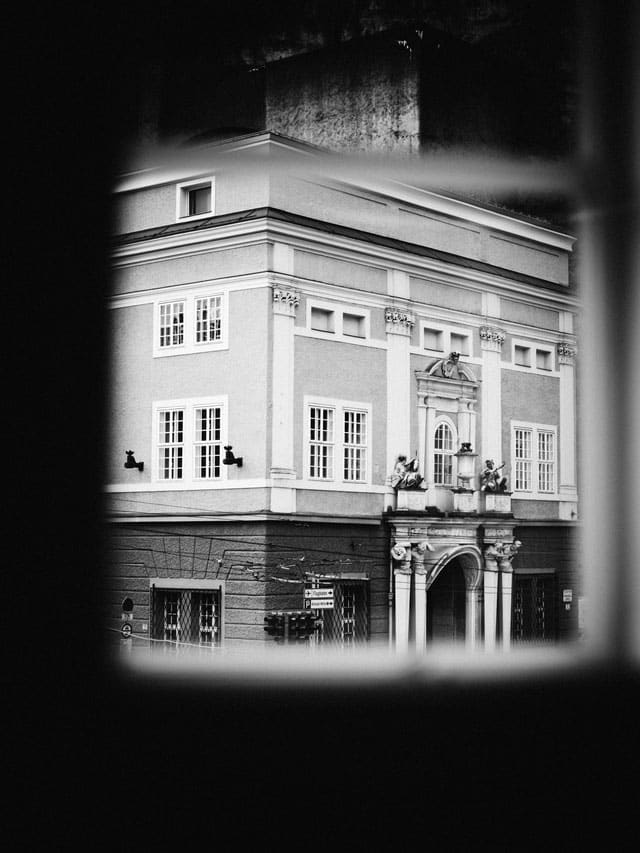
Since 1920, there has only been a short walk between bed and stage
With the founding of the Salzburg Festival in 1920, the district changed fundamentally.
The former Hofmarstall is gradually becoming one of the most important festival centers in Europe.
At the time, Stefan Zweig described Salzburg as an artistic capital – and there was a fight for rooms in the hotels.
The Blue Goose was suddenly no longer just in the old town, but directly in the festival district.
You can find out more about the festival district here

The free spirit Alois Grasmayr
1919–1930s: Alois Grasmayr, owner of the Blaue Gans, went from being a poor elementary school teacher to becoming an entrepreneur, world traveler, Faust specialist and art collector.
Contemporaries called him the “Faust from Mönchsberg” and the “barefoot millionaire”.
Personalities such as Hermann Bahr, Stefan Zweig and Anton Faistauer frequented his house on Mönchsberg;
Grasmayr also collected works by Egon Schiele early on.
You can find out more about his exciting vita here

Alfred Kubin – the Blue Goose as a place of literature
The artist Alfred Kubin spent part of his youth in Salzburg.
In his fantastic novel “The Other Side” he makes the capital of his dream kingdom “Pearl” clearly reminiscent of Salzburg – and the Blue Goose appears several times as a specific setting.
At one point it even says: “Only the Blue Goose is considered.”
Today this connection is part of the house again: an original drawing by Kubin is in the Blaue Gans art collection.
You can find out more about Alfred Kubin here
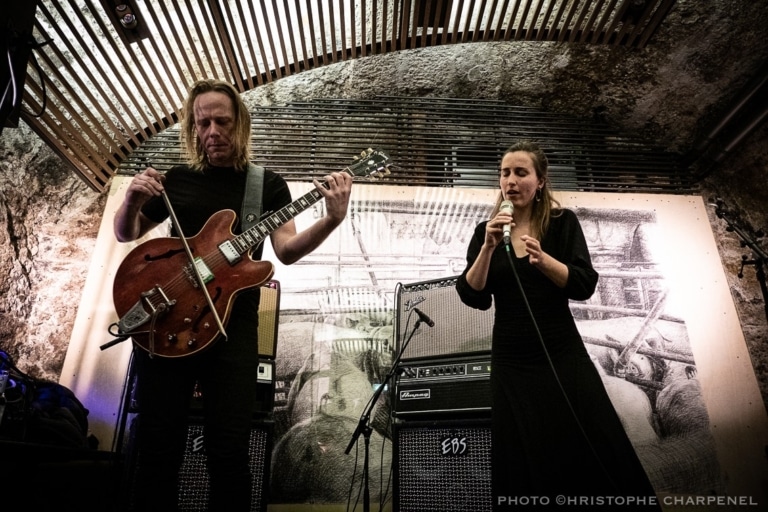
Jazz in the basement – a new scene for Salzburg
In the 1970s, the then tenant Adolf Jüstel turned the historic Blaue Gans cellar into an important jazz venue.
A new scene emerged there for Salzburg, in which musicians like Fatty George and Oskar Klein appeared – and even Ella Fitzgerald was a guest at the Blaue Gans.
Before jazz was a given in Salzburg, he played in the so-called Mexicano-Keller of the Blaue Gans.
You can find out more about Jazz in the Goose here
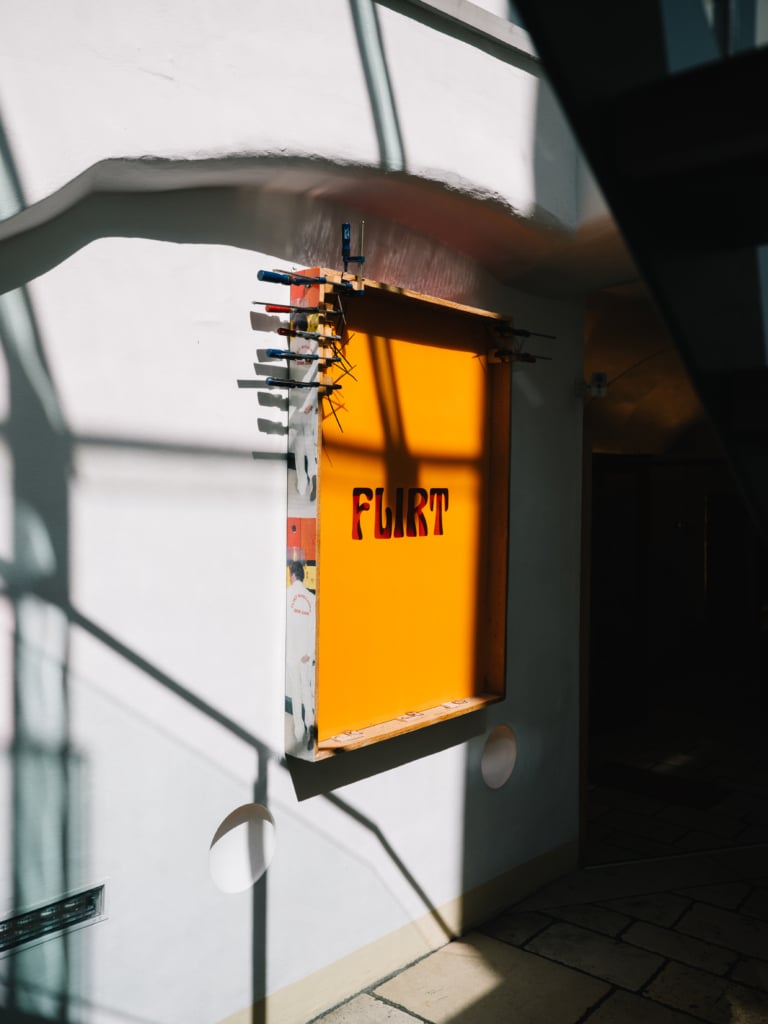
The goose becomes an art hotel
In 1997, management returned to the owners.
The hotel, restaurant and infrastructure were renewed in several renovation phases.
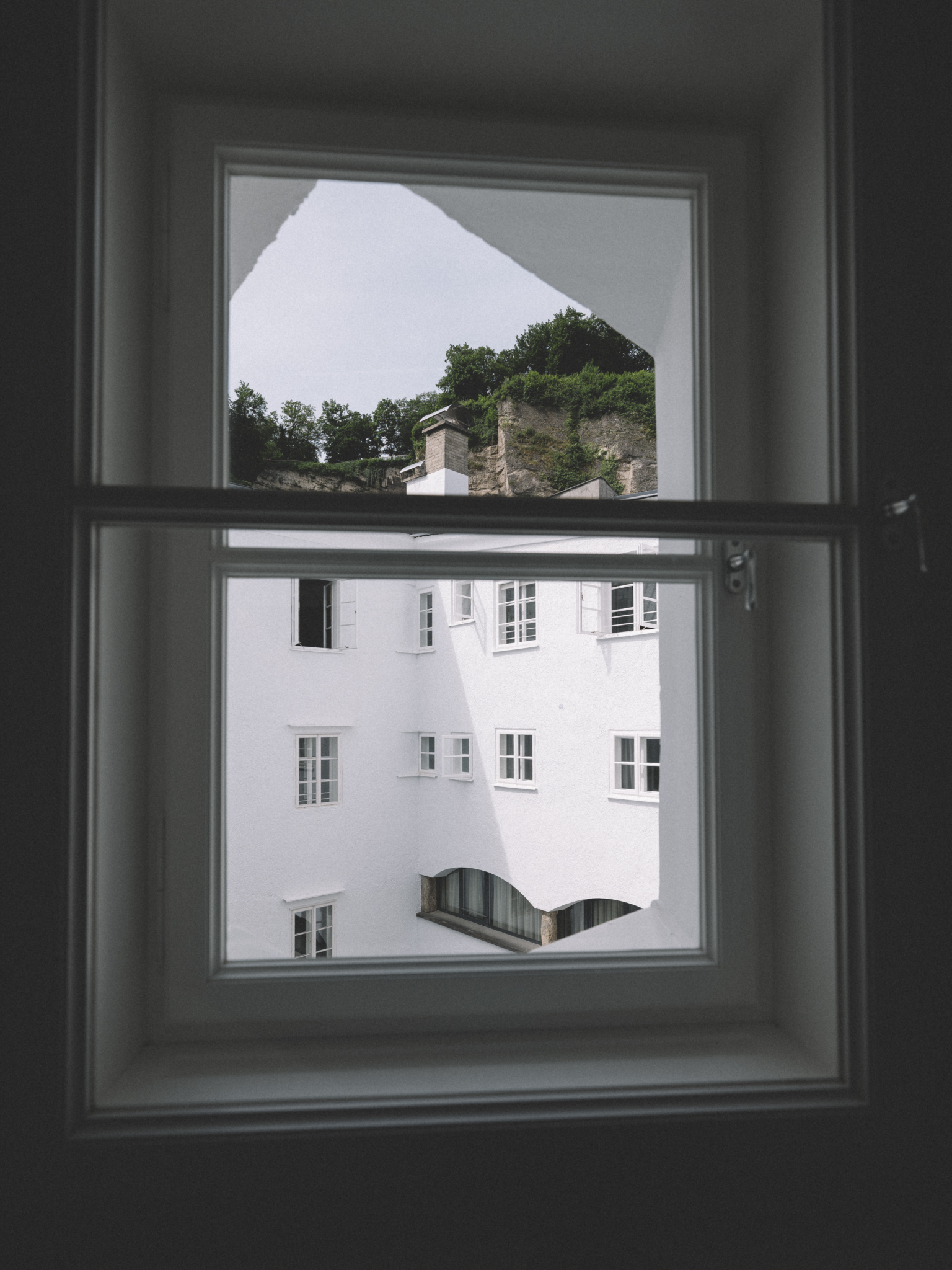
In 2002 the historic inner courtyard was uncovered again and bricked-up arcades were opened.
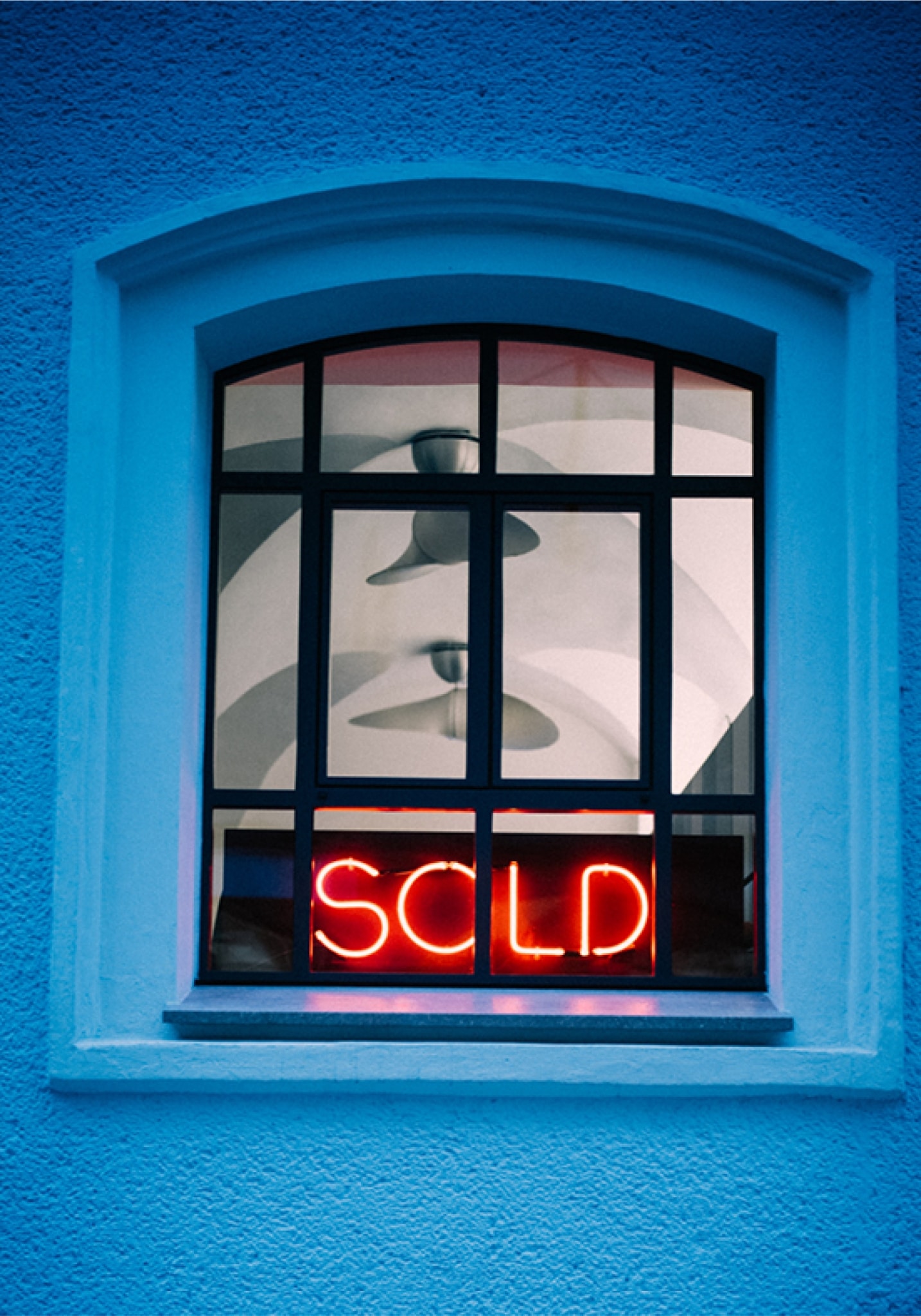
At the same time, the idea of a registered trademark emerged, that of the Arthotel: not to preserve historical substance in a museum, but to continue it with contemporary design and contemporary art.