

Sights & activities in Salzburg
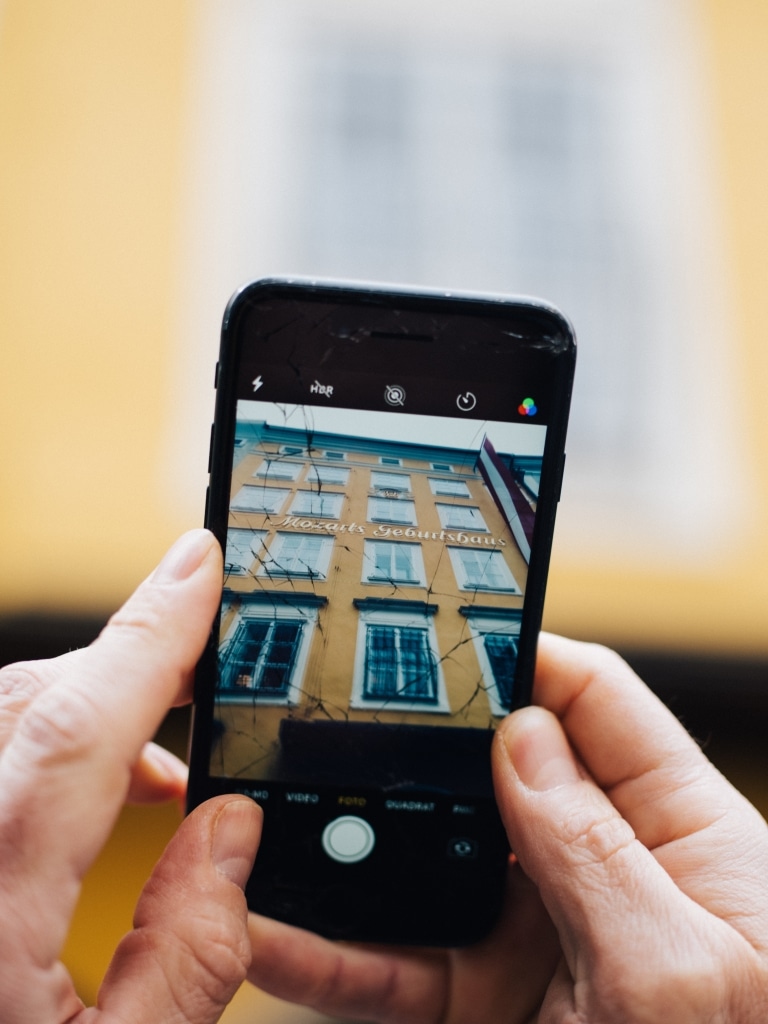
Mozart's birthplace
In the house Getreidegasse 9, just a few steps away from us, Wolfgang Amadeus Mozart was born, who, as Nikolaus Hanoncourt said, was “a pen in the hand of God”.
Salzburg and Mozart were not an easy relationship during their lifetime.
He must have frequented our house: numerous letters show contacts with the residents of what later became the “Däublhaus”, named after his friend and fellow musician Franz de Paula Däubl.
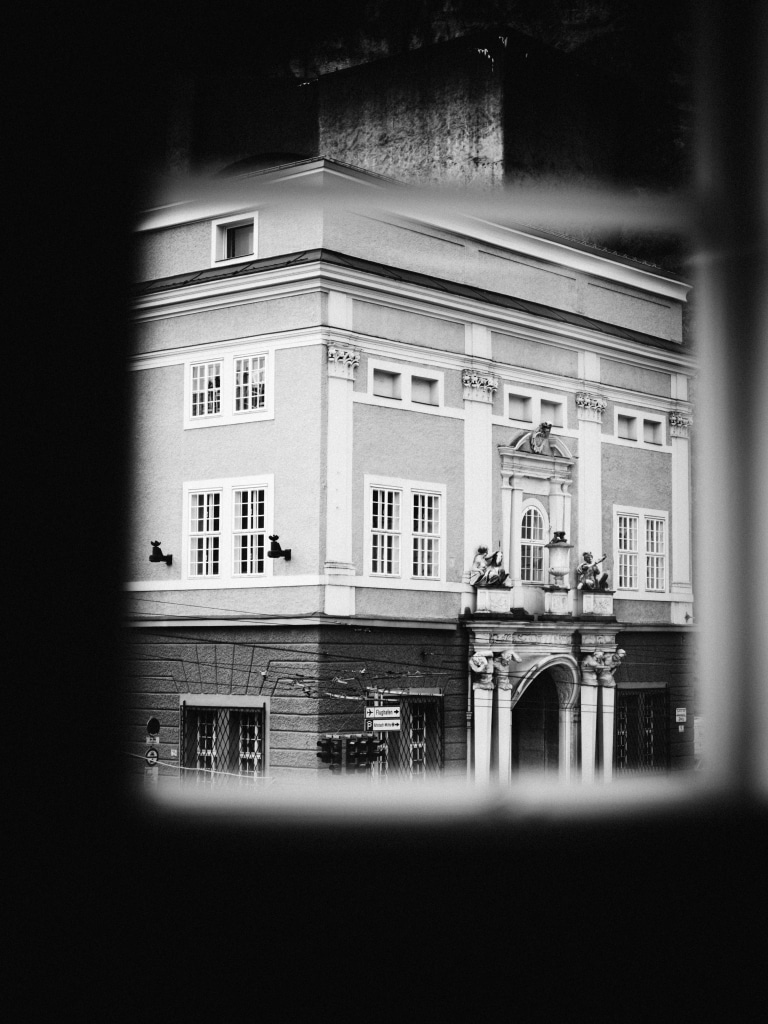
Festival Hall
A cultural landmark, with a facade that impresses from afar.
Space for 2,300 visitors, often far more people gather in front of, on and behind the stage.
The Salzburg Festival is the largest and most important classical music festival in the world.
The Hofstallgasse in front of it is described as the “most beautiful break foyer in the world”.
There are other stages around the festival hall: the House for Mozart, the Felsenreitschule, the University Hall, the Domplatz for Everyman.
A whole district in the rhythm of art.
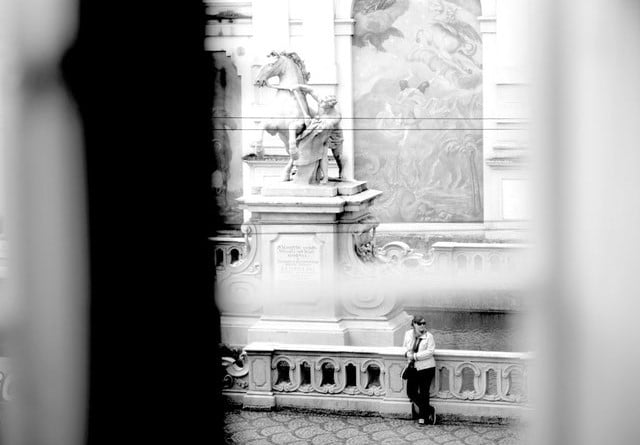
Horse flood
Where festival audiences stroll today, horses were once washed.
The archbishop’s bodyguard brought their animals here before they continued to the Hofmarstall, today’s festival hall, or to the riding school in the rock.
The square used to be called Heuwaagplatz, after the municipal hay scale that once stood here.
Mönchsberg
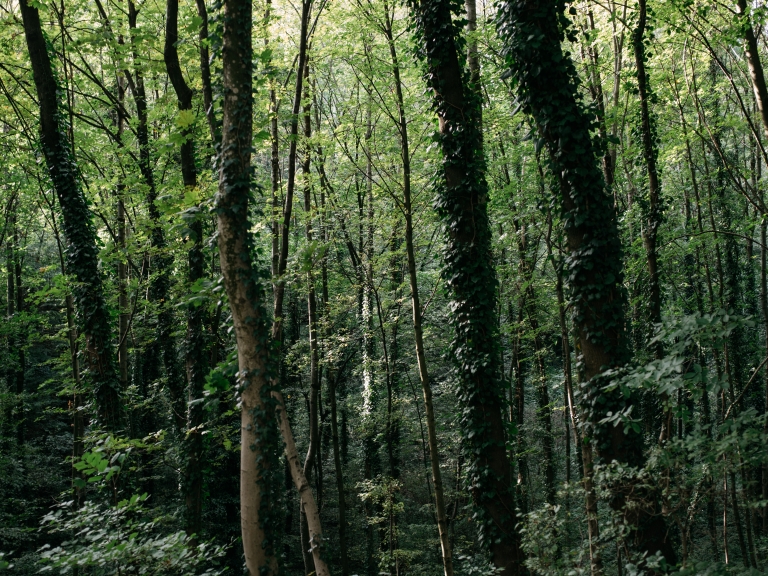
The rock face of the Mönchsberg towers up directly behind our house.
Nobel Prize winner Peter Handke once lived here, right next to a secret vineyard.
In summer, cows graze in the meadows.
In winter, children sled down the steep slopes.
In the middle of the city, and yet a different pace.
According to legend, the Mönchsberg even gave the Salzburger Nockerln its shape.
Museum of Modernism
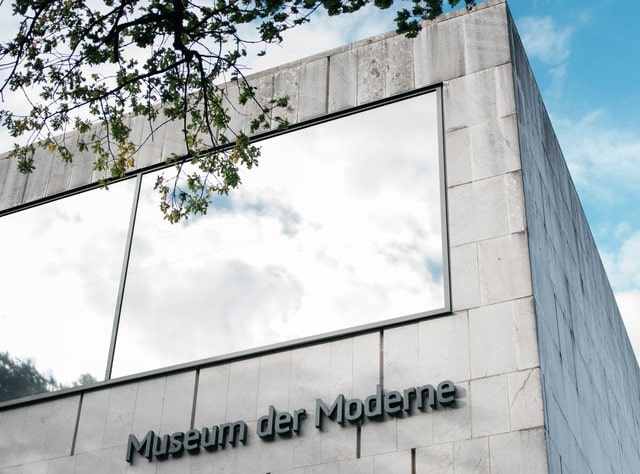
Salzburg’s casino used to stand here before it moved to Klessheim Castle.
Today the house shows contemporary art from all over the world, on top of the Mönchsberg, with a view over the entire city.
The Mönchsberg elevator takes you up in a few minutes, just a few steps from our door.
There is a small sculpture garden all around, with works by James Turrell, Not Vital and Mario Merz.
If you stay, you will find one of the widest views in the city in the M32 museum restaurant.
Mirabell Gardens
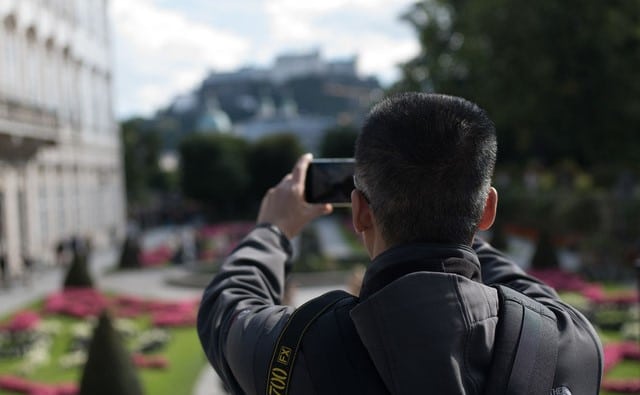
This baroque garden was designed by Archbishop Wolf Dietrich for his partner (sic!) and mother of his children (sic!) Salome Alt.
Symmetrical paths, artistic statues, a garden that invites you to linger, in the middle of a modern neighborhood of the Mozarteum University and Ropac Gallery.
Julie Andrews hopped through the facility here for “The Sound of Music,” and fans still make a pilgrimage to this exact scene to this day.
Must visit: the Panorama Museum with the Sattler Panorama!
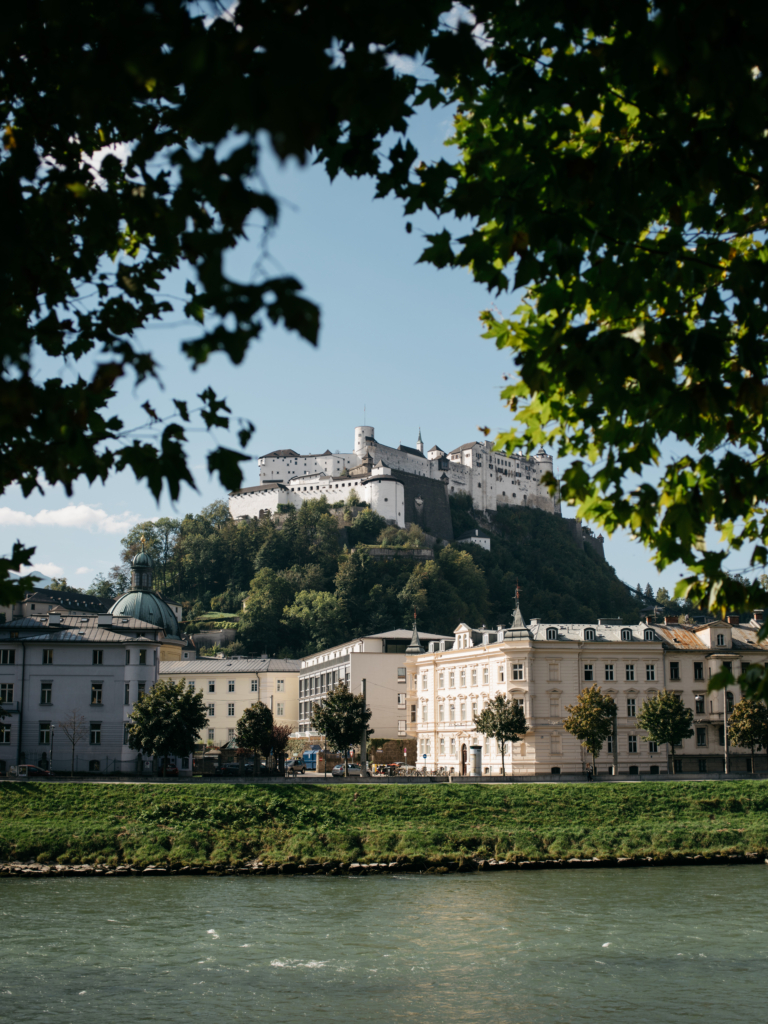
Hohensalzburg Fortress
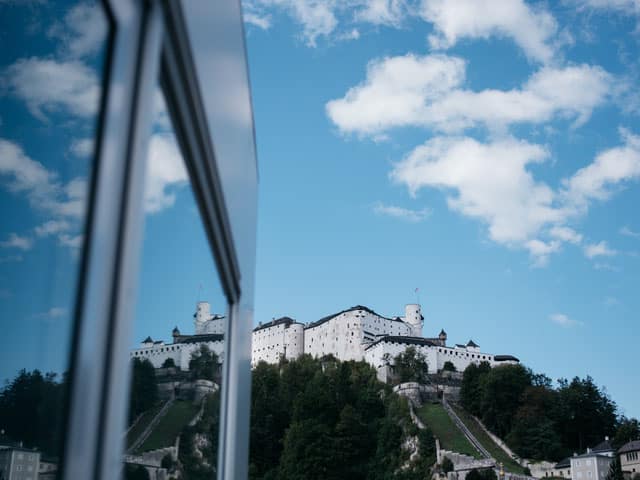
It towers over the city like a crown, one of the largest medieval fortresses in Central Europe.
Archbishops sought protection here when times outside became troubled.
To this day, there are legends surrounding the fortress: of secret passages that are said to run deep beneath it and tunnels that no one really knows about.
Cathedral Quarter
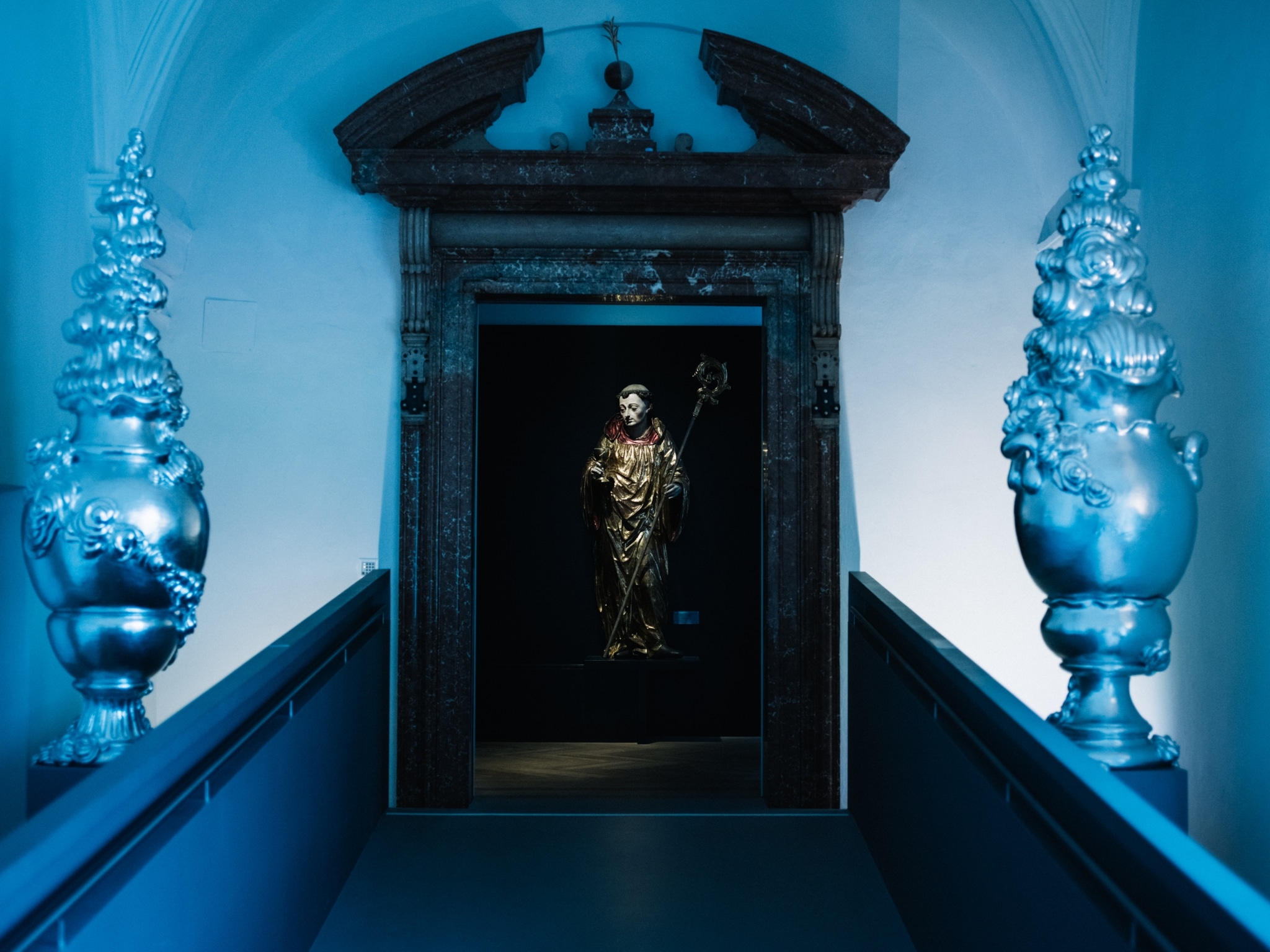
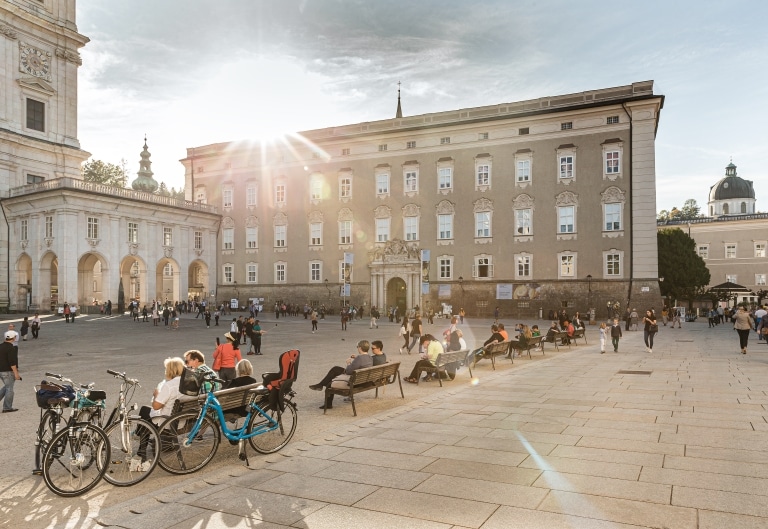
Separated for over 200 years, can now be experienced again as a coherent tour: the historic residence and the Benedictine monastery of St. Peter.
State halls, artistic details, a walk through the spiritual and secular Salzburg at the same time.
The Cathedral Quarter is a journey into the historical heart of the city.
Salzburg Museum
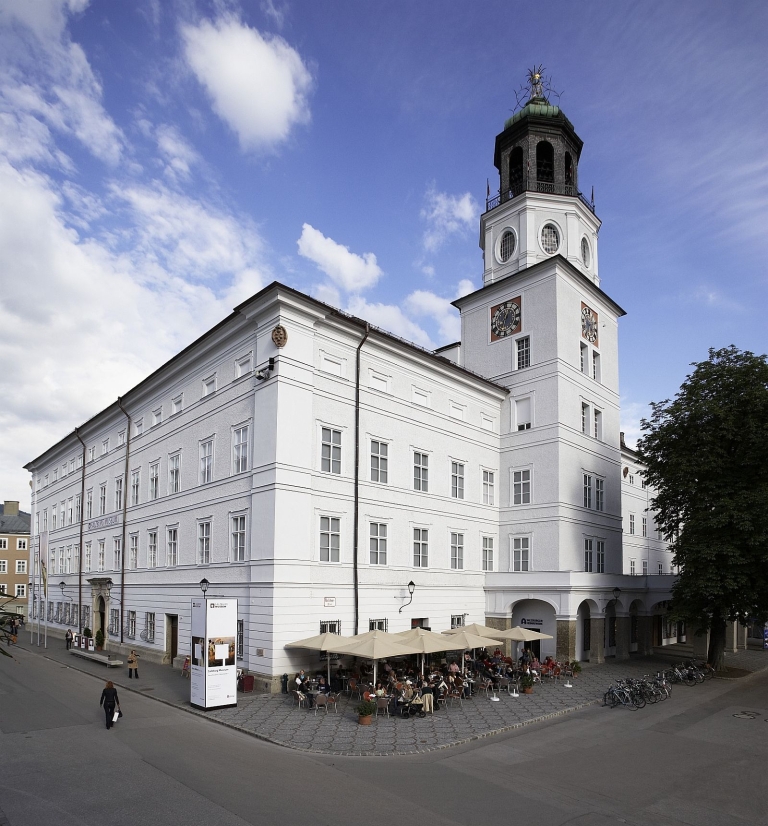
Where the prince-archbishops once resided, today the history of the city is told, from the first centuries to the present day.
The museum has several branch offices.
Particularly worth seeing: the Panorama Museum in the Mirabell Gardens, with the circular painting by Johann Michael Sattler, which shows Salzburg as it looked in the 19th century.
Salzburg scene
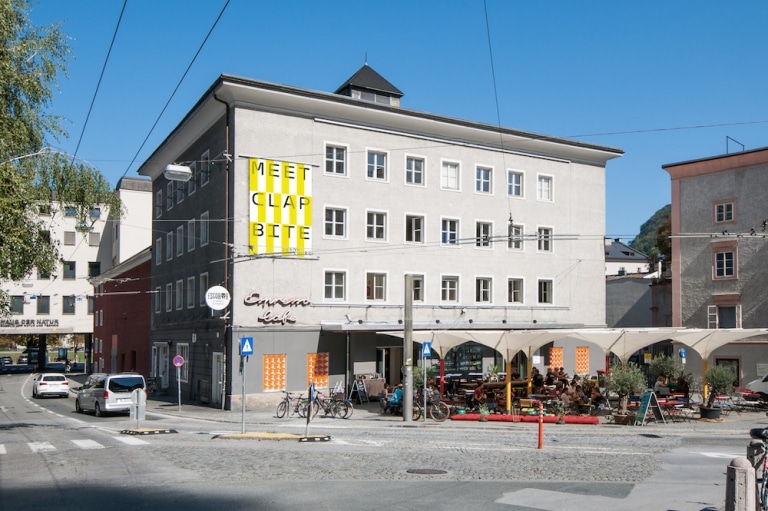
Very close to us, a house for dance, theater, concerts, cabaret and club nights.
If you’re there in the summer, you shouldn’t miss the “Summer Scene”, a festival that attracts international artists from the worlds of performance, dance, theater and music.
Salzburg Artists' House
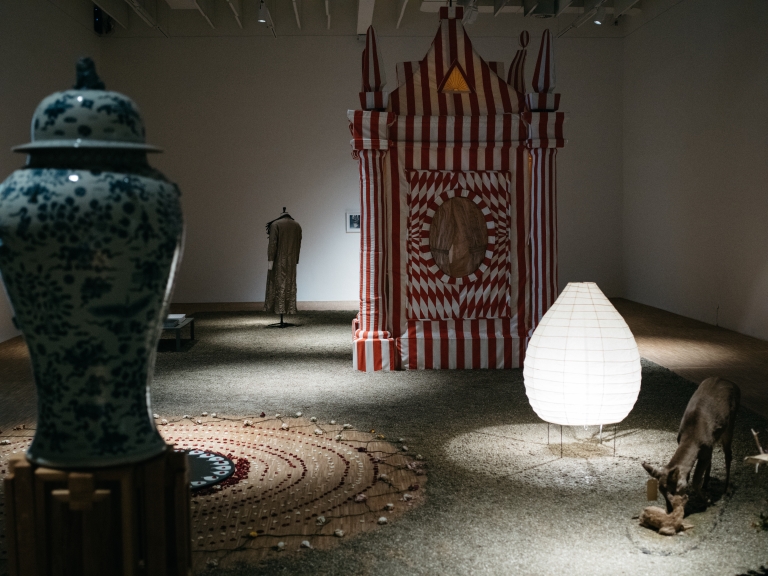
The Salzburger Kunstverein shows current international art here, changing and often surprising.
A meeting place for everyone who is interested in what is currently being created, not just in what is already history.
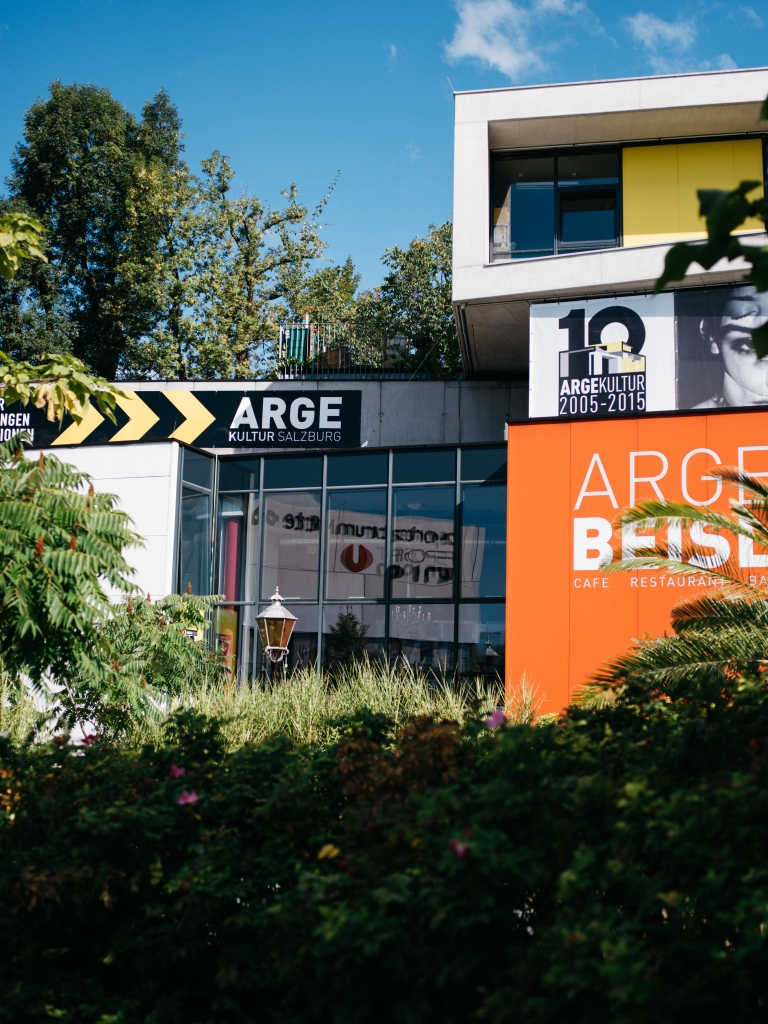
Argeculture
The city’s largest independent cultural center.
Theater, music, dance, performance, readings, sometimes uncomfortable questions.
If you want to get to know Salzburg outside of the festival, you will find a program here all year round.

World Heritage Site
“The God-given and the human-creative.”
This is how the writer Stefan Zweig described the atmosphere of this city shortly before he had to flee from the Nazis.
Two things that actually come together here: an architecture that has endured for centuries and a landscape in which it is embedded.
Since 1997, the old town has been a UNESCO World Heritage Site due to its ensemble effect.

The cemetery of St. Peter
The historic cemetery, where the city’s most important families have their final resting place, is squeezed between the collegiate church of the St. Peter Monastery and the Mönchsberg.

The Alpine Canal
From the 11th century
It is one of the oldest industrial buildings in Europe and supplied the city with the water from Königssee.
In summer it offers refreshment and fun to the young locals on its banks.