


Artists at the Arthotel Blaue Gans
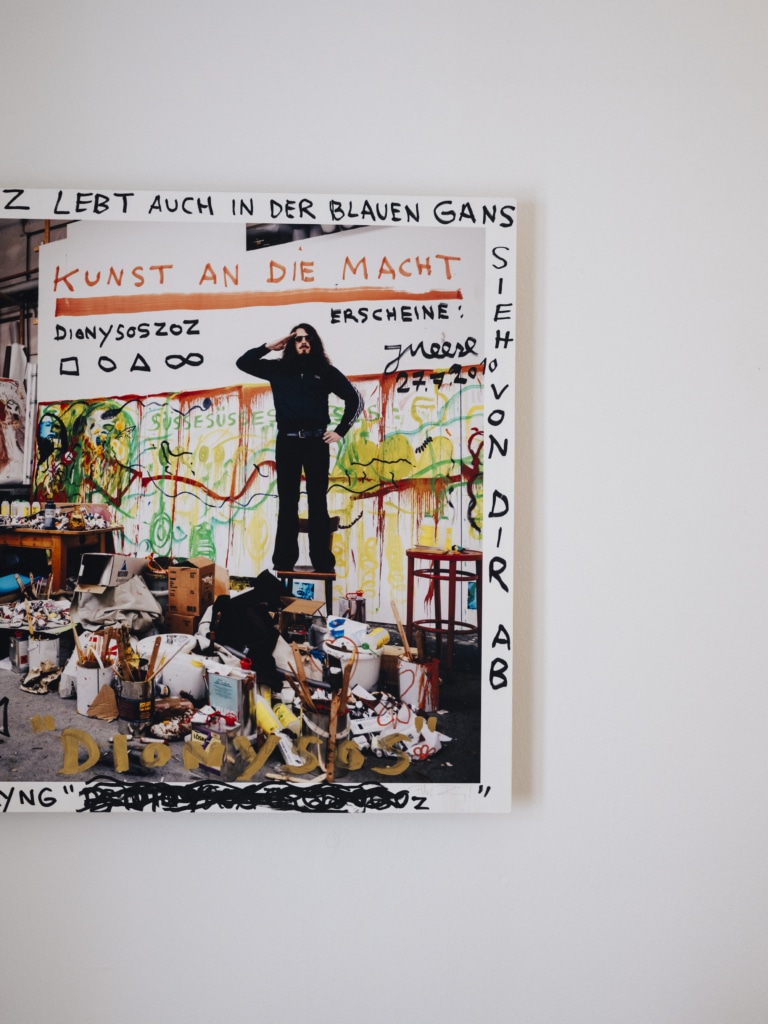
Jonathan Meese
Meese lived in the Blaue Gans for four weeks in 2010 while he worked on the stage design for the premiere of Wolfgang Rihm’s opera “Dionysus” at the festival.
His portrait in the house shows the same radical approach with which he speaks about his art: “Art is a command center, not a place of supplication.”
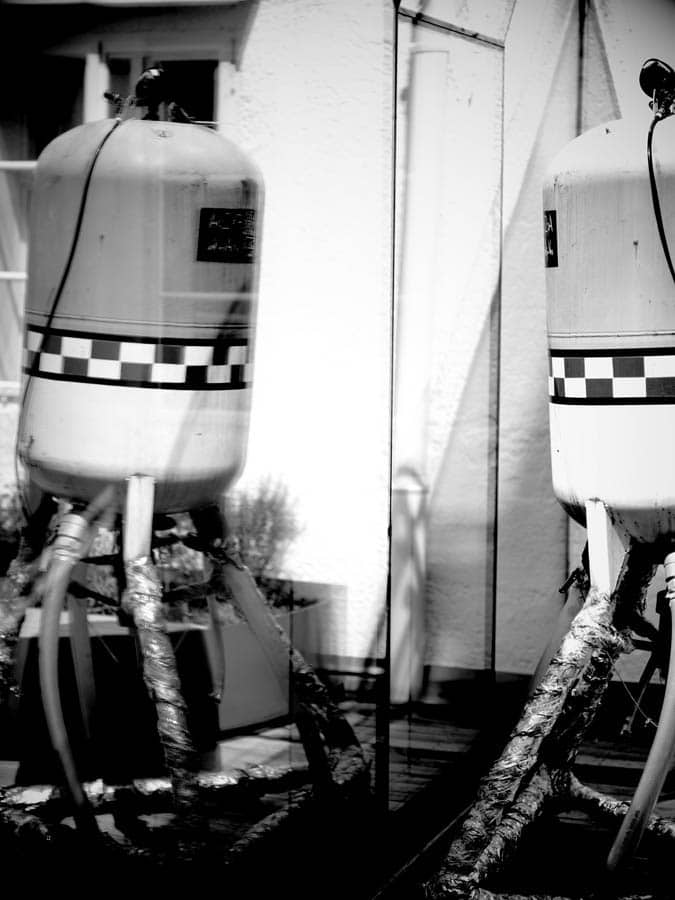
David Moises
Moises believes in a Mexican proverb that says every object has seven lives.
For him, skis become stools, kettles become rockets.
His kinetic sculpture “Vertigo” was supposed to fly twenty meters high at the opening of the festival in 2011 and in the end only managed a small hop with a loud noise.
Today it stands in the herb garden as a reminder of this wonderful failure.
Julius Deutschbauer
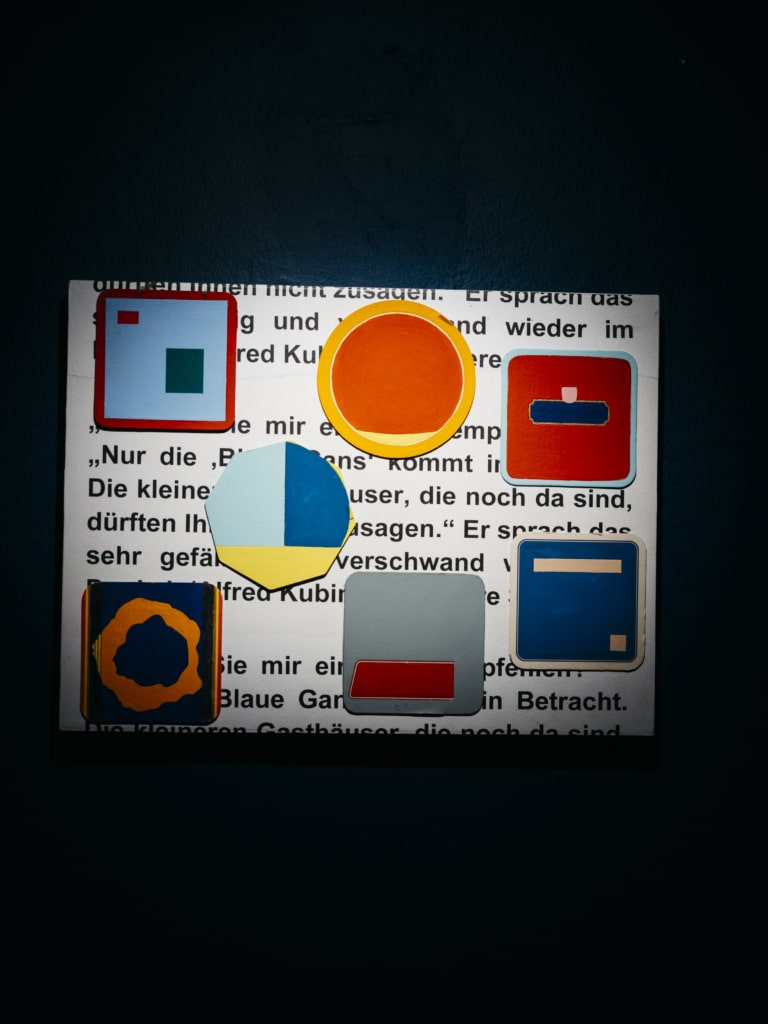
Deutschbauer has been running the “Library of Unread Books” since 1997: He asks people which book is on their shelf that they have never read, buys it and archives the interview.
For the Blue Goose he created the work “Only the Blue Goose Comes into Consideration”, a title that comes from Alfred Kubin’s novel “The Other Side”.

Sissa Micheli
Micheli moved into the maisonette on the top floor of the house for her work “Floating Experiments”.
She borrowed five personal items from every person in the house, from the chefs to the hotel owner, and used them to create her own, very private room that guests have been able to visit ever since.
Constantine Luser
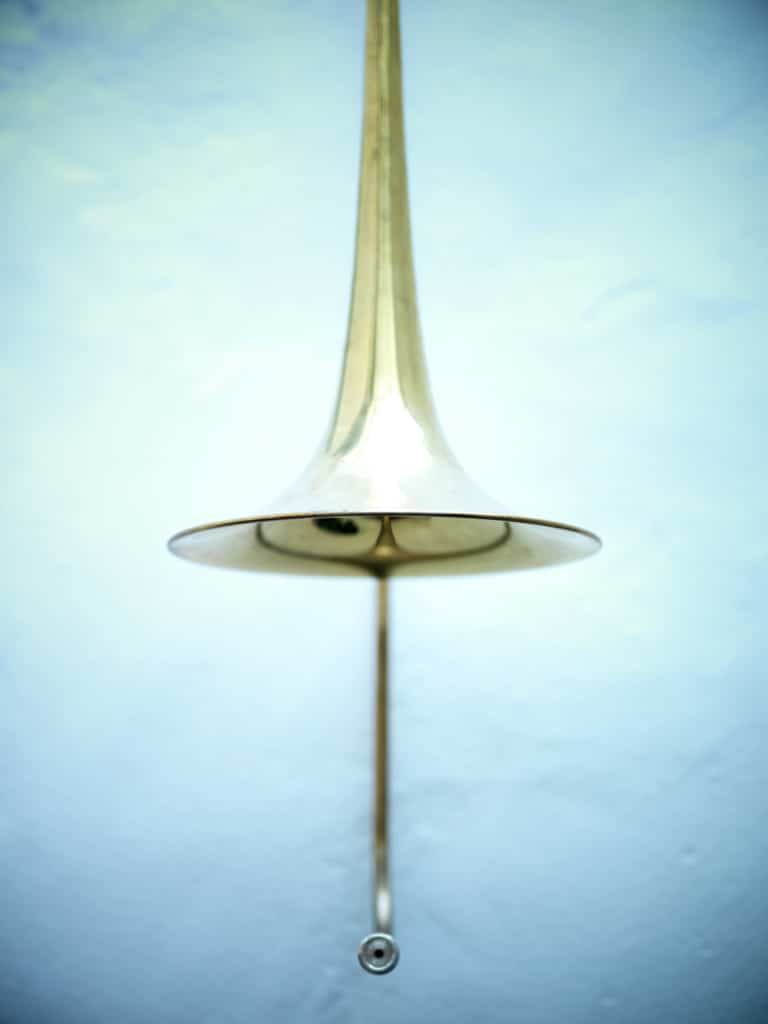
The studied industrial designer from Graz built a sound shower for the ground floor of the Blaue Gans.
“It allows what you are capable of blowing in to be channeled right back to you,” says Luser about his instrument, through which air flows and trickles back down onto the wind player.
Alfred Kubin
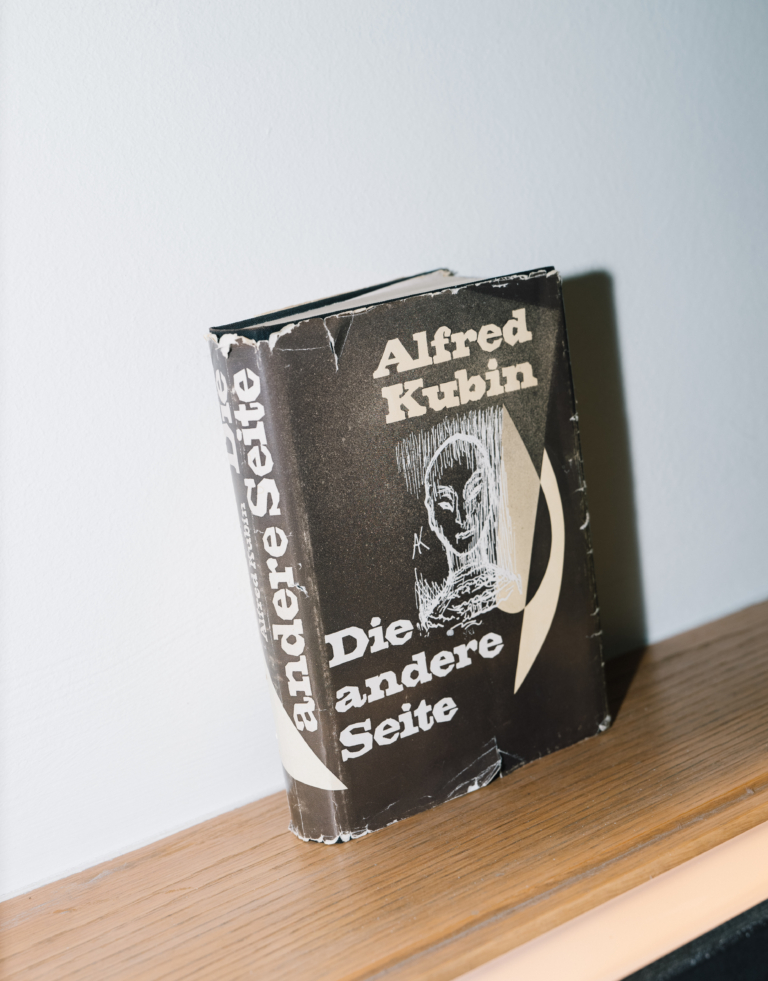
Kubin attended high school in Salzburg for a time and demonstrably influenced Franz Kafka with his writing.
In his novel “The Other Side” he has a character say: “Only the Blue Goose comes into consideration,” a sentence that to this day sounds like a literary accolade for the house.
Maurizio Cattelan
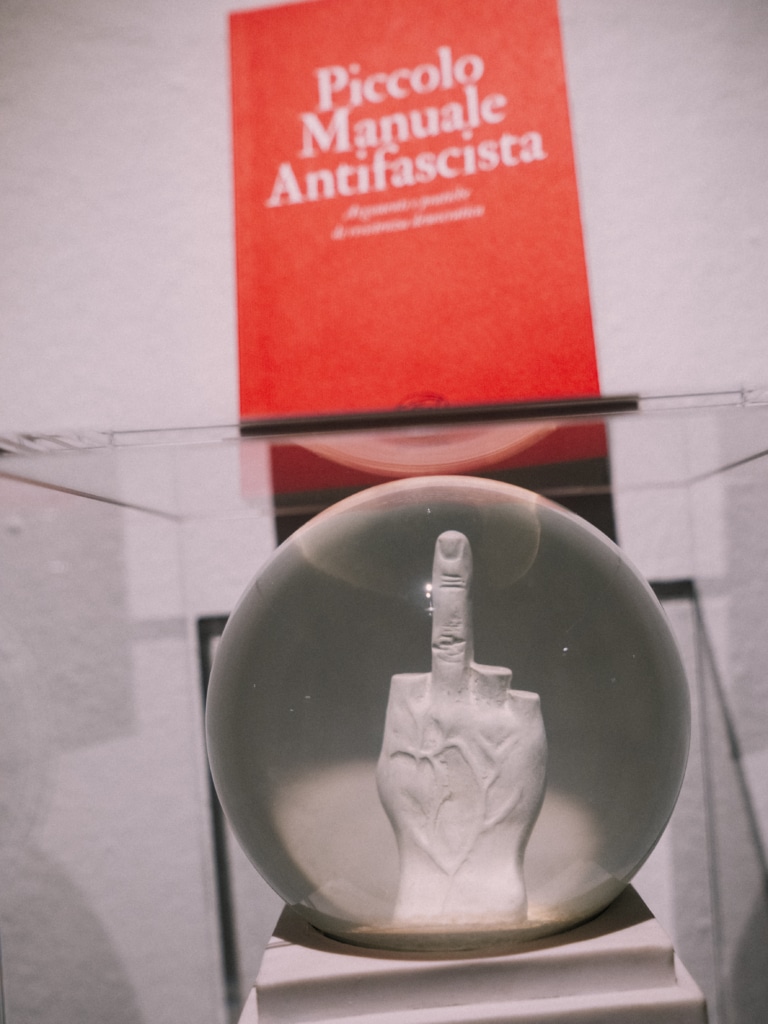
The Italian enfant terrible of contemporary art is represented with a work that leaves no room for interpretation: an outstretched finger, more than just an eye-catcher, an anti-fascist manifesto.
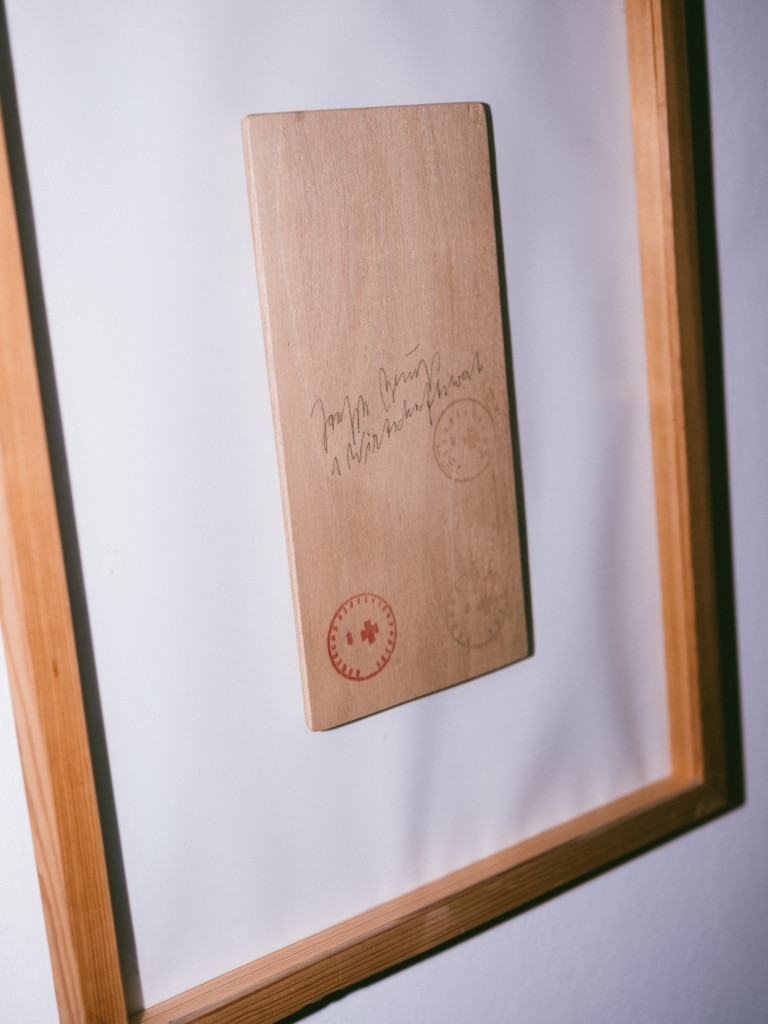
Joseph Beuys
In 1980, in his installation “Economic Values (Principle)” in the Museum van Hedendaagse Kunst Gent, Beuys contrasted the trade organization’s products available in the GDR with the West German world of goods.
He signed every package, every can, every board with his own hand and labeled it with “1 economic value”.
These displays were continued as so-called multiples, works of which several copies exist, but each of which is an independent original, not just a copy.
A snack board from this series hangs in our house today, a real Beuys as he is written in the book.

Brigitte Kowanz
Kowanz, whose light installation hangs in the house, also created a public work on the Salzburg State Bridge, as part of the Walk of Modern Art, which commemorates the forced laborers who were involved in building the bridge in World War II.
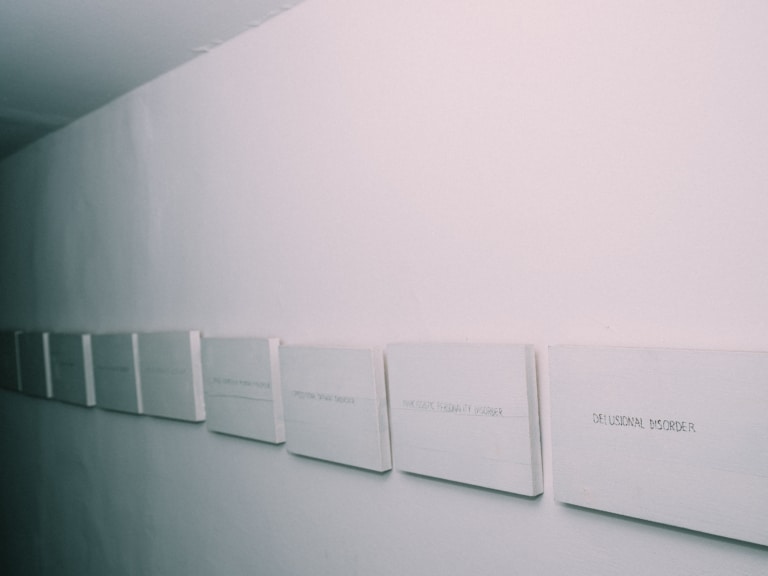
Sofia Goscinski
In 2008, Goscinski scratched the names of mental disorders from the World Health Organization catalog onto white-painted boards.
A deliberately uncomfortable work that finds its strength precisely in this.
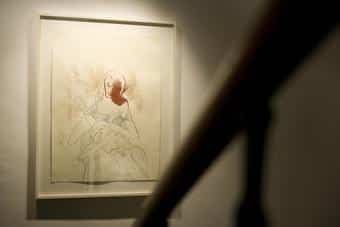
Sigfried Anzinger
In a work made of watercolor and pencil, Anzinger shows a Madonna who has her child lying on the cross in her lap, her face half covered by a red stain, and yet she seems to be smiling.
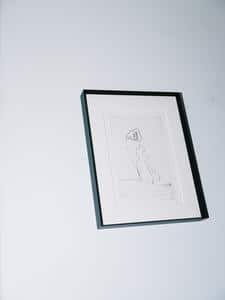
Franz Blaas
With just a few strokes, Blaas tells entire stories in small-format drawings.
His “periscope” shows a stick manderl that longs without needing a single word.
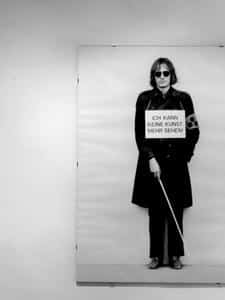
Tim Ulrichs
The self-proclaimed total artist walked through the Cologne art fair in 1975 with a cane and a sign around his neck: “I can no longer see art.”
A criticism of the commercialization of art that has lost none of its edge even fifty years later.
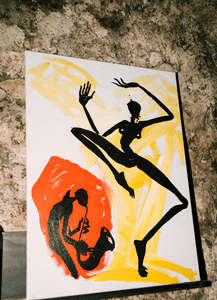
Helge Leiberg
From New Year’s Eve 1973, jazz concerts led by landlord Adi Jüstel took place in what was then the Mexicano Cellar.
Leiberg’s picture captures exactly this mood, a saxophonist in an orange aura, a dancer with outlines outlined in banana yellow.

Benjamin Heisenberg
Heisenberg’s “Musical Hare” quotes Albrecht Dürer’s famous nature study of the brown hare, combined with art and film historical references from the ancient fertility symbol to the symbol of the subconscious in Joseph Beuys.
At the push of a button it moves, electrically powered, made of rabbit fur on a base plate.